My last trip before the exam session was to a small city near Covilhã, called Castelo Branco. I chose this destination to save some time, and to be able to make it a day trip since deadlines and exams are closer and closer.
A short description of the city

The city of Castelo Branco is a municipality and former bishopric in Castelo Branco District, Portugal. This city was founded at the base of a Templar castle in the 13th century, when war was a way of life for hundreds of years. Therefore, Castelo Branco was attacked repeatedly in the 17th and 18th centuries.
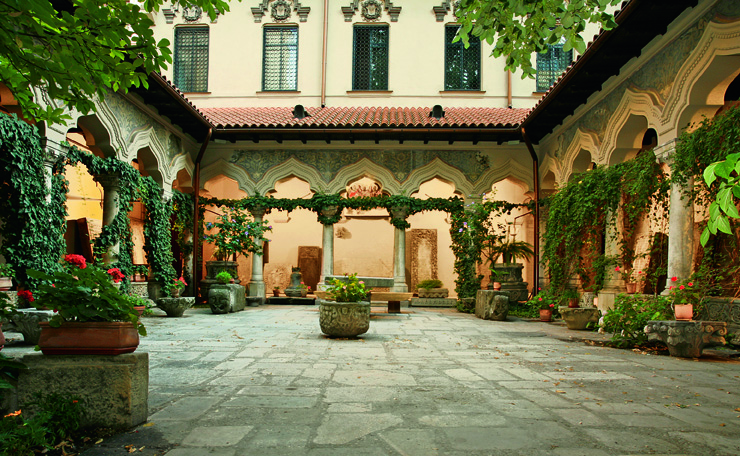
This beautiful place was also the seat of a diocese, and the bishops’ palace and garden are proof to this day of this fact.
Did you know?

Even though I have heard of this city numerous times, I never knew the meaning of the name or from what it derives, to be honest. While researching to visit it, I found out that the name actually means “white castle” in Portuguese. So cool!
What to visit in Castelo Branco
I visited Castelo Branco on a cloudy Sunday by my own, since we had very few (to none) Erasmus+ gatherings during my semester and I did not manage to build friendships so much… Still, I have to admit it was such a cute, quite, tranquil city to see, and just what I needed before my exam session starts 🙂
I loved the safe, local atmosphere, almost like in a small town where everyone knows and trusts each other, a thing I rarely experienced, maybe only at my grandparents who live in the countryside, back in Romania. Also, me being such an animal lover, I simply adored all the animals around: a lot of cats especially on the hill of the city, even dogs here and there.
OK, so let’s discover together what to visit in Castelo Branco:
Jardim do Paço

Jardim do Paço is a wonderful garden of Castelo Branco’s episcopal palace. This is for sure the city’s unmissable sight! It reminded me a little of the Versailles gardens, with it’s grandiose balustrades and unique models.
Tucked into this network of boxwood hedges are fountains and statues representing apostles and lions, while the walls sport figurative tile panels. Guarding the balustrade are statues of the kings who ruled in Portugal during this period. Simply amazing!
Parque da Cidade

Parque da Cidade is the city park fronting the episcopal palace that used to belong to the Bishops of Castelo Branco.
The plots closest to the palace used to be their kitchen garden, and the town still grows herbs in square plots as a reminder of the park’s old role. Beyond that it’s a refined spot for a few minutes of repose, edged by the palace, and laid with fountains and reflecting pools, and a large, circular pergola.
Cruzeiro de São João

Cruzeiro de São João is a granite cross that was erected in front of a church at the very start of the 16th century. The church has long since disappeared, but the cross remains and has become a national monument for its Manueline decoration.
There are benches around it, and you can take a seat for a minute or two to admire the intricate design.
The old town

The medieval centre of Castelo Branco (or the old town) is a bewildering web of narrow streets through ravines of whitewashed houses in various states of repair, which are visible from the castle.
The castle walls

The castle walls represent the highest point of the city, and the outline of the single tower can be seen from quite a distance. The castle was a Templar fortification, raised at the beginning of the 13th century. It took big damage in the Portuguese Restoration War in the 17th century, and then again in the War of the Spanish Succession and Napoleon’s Peninsular Wars.
Here you can savour the perfect view of Castelo Branco from above!
Some conclusions
All in all, I recommend visiting this small city. Moreover, I can not wait to visit the last cities on my travel list: Lisbon (plus Sintra), Porto and Braga. These I will most probably see after the semester ends, in my last month here. But for now, I have to concentrate on my deadlines and last assignments, plus studying for my exams.
I believe that this travel blog/personal diary was an extraordinary method for me to document a big part of my Erasmus+ experience in Covilhã.
For me, this isolated semester was a great way of testing my limits, realising that I am much stronger than I think, stop relying so much on others to make me happy, and coming to the conclusion that sometimes the only person you have is YOURSELF. I will soon leave Portugal with the revelation that I am so blessed back home with everything that I have, that I love being Romanian, I love our traditional cuisine, our mesmerizing music, our beautiful language… But most of all, I love and will appreciate more my family, my close ones, my best friends, all which make a house a home, and a person whole.